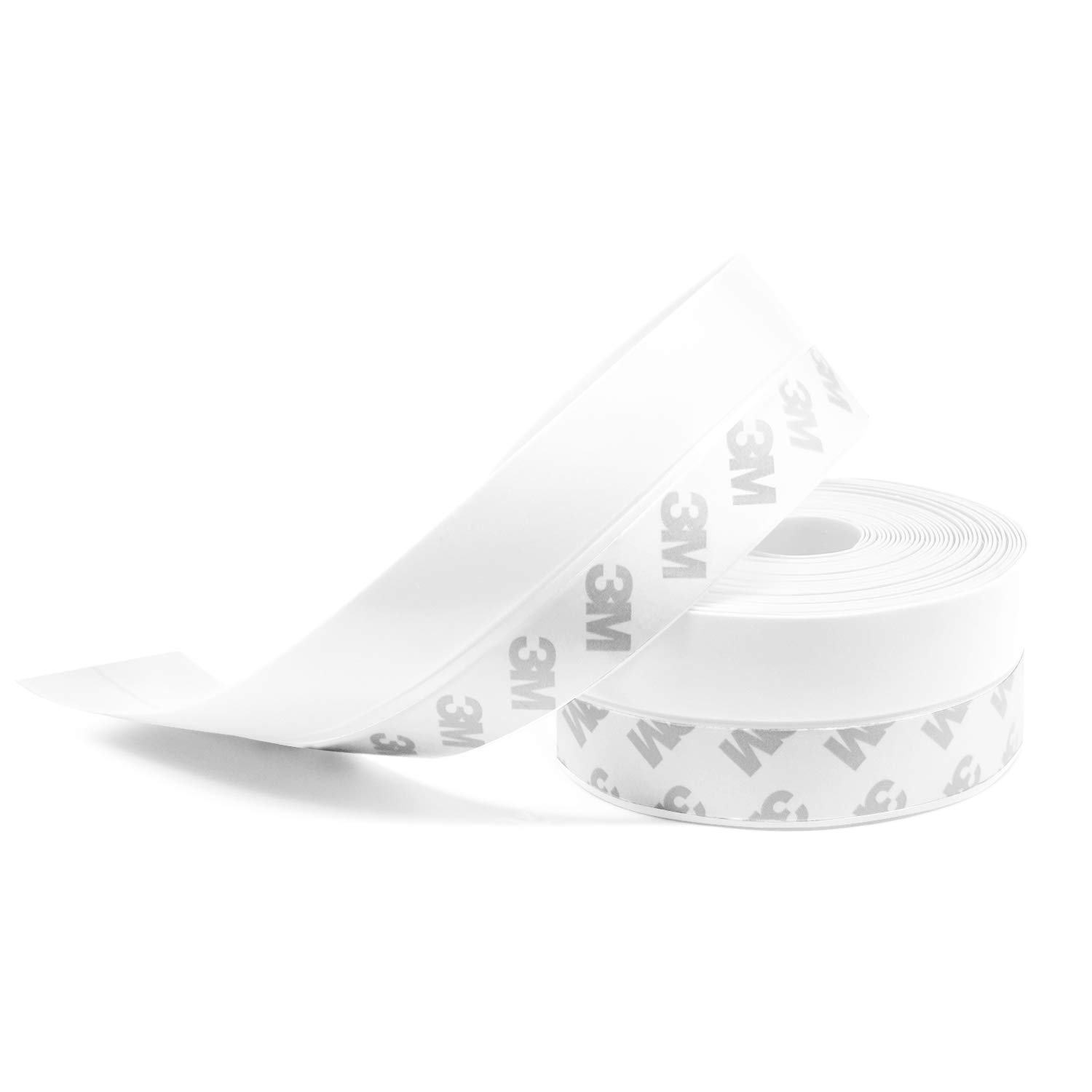
The TAROSE Weather Stripping comes in a 16.5-foot roll of white silicone, designed to seal gaps around doors. At 35mm wide, it targets standard-sized gaps often found in older homes or poorly fitted doors. This review focuses on its real-world performance, not marketing promises.
In practical use, the strip is applied to the door frame to block drafts, dust, and noise. The silicone material feels flexible and slightly tacky, which helps it conform to uneven surfaces. Installation involves cleaning the area, cutting the strip to length, and pressing it into place. The adhesive backing is strong enough for most painted or wooden frames, but it may struggle on textured or dusty surfaces without proper prep. One user noted that on a slightly damp day, the adhesive took longer to set, requiring temporary tape to hold it.
Key functional features include a self-adhesive backing and a hollow ‘D’ shape that compresses when the door closes. This design aims to create a seal without requiring permanent hardware like nails or screws. The silicone is weather-resistant, so it shouldn’t crack in cold temperatures or degrade in sunlight as quickly as foam tapes. However, the material is not as durable as metal or rubber thresholds, and frequent door slamming might cause the strip to peel over time.
- Limitation: The 35mm width is fixed, meaning it works best for gaps between 1-5mm. For larger gaps, you would need a different product. Additionally, the white color may show dirt in high-traffic areas, though it can be wiped clean.
- Comparison: Compared to foam weather stripping, this silicone strip offers better longevity and a tighter seal. Foam tapes are cheaper but tend to deteriorate within a year under direct sunlight. Metal door sweeps, while more durable, require drilling and are less flexible for irregular gaps. The TAROSE strip sits in the middle: easier than metal, more effective than foam, but not a permanent fix.
Who is this suitable for? It works well for renters who need a non-damaging solution, homeowners with small to medium door gaps, and anyone looking to reduce energy bills or outside noise. It is not suitable for doors with gaps larger than 5mm, exterior doors exposed to extreme weather or heavy use, or surfaces that are not clean and smooth. The adhesive may fail on brick, unsealed wood, or heavily textured frames.
In testing, the strip reduced noticeable drafts around a standard interior door, cutting down on cold air seeping in during winter. The noise reduction was modest—about 10-15% less sound from the hallway—but not enough to replace dedicated acoustic seals. After three months, the strip held up well in a climate with mild temperature swings, but in a humid bathroom, slight peeling occurred at the corners, requiring reapplication with extra adhesive.
A trade-off to consider: the silicone can be tricky to remove without leaving residue. Unlike foam strips that peel off cleanly, this silicone may leave a sticky film if removed after several months. A bit of rubbing alcohol helps, but it is not ideal for temporary setups. Also, the 16.5-foot length is generous for one standard door, but if you have multiple doors or a double door, you might need two rolls.
Overall, the TAROSE Weather Stripping is a functional, mid-range option. It does what it claims—seals gaps—but is not a miracle fix. For the price, it offers decent value if you have the right gap size and a clean surface. Just don’t expect it to last forever in tough conditions. Check your door gap width before buying, and consider a metal threshold for high-traffic areas.